How to Decline a Job Offer Politely (Scripts, Timing & What Not to Say)
You made it through the interviews, passed the assessments, and landed the offer. Now you need to say no. Maybe the salary fell short, you accepted a competing offer, or the role just doesn't align with where you're headed. Whatever the reason, how you decline matters more than most people realize.
Here's exactly how to turn down a job offer professionally—without torching a relationship you might need in 18 months.
Why Declining a Job Offer the Right Way Actually Matters
Industries are smaller than you think. The hiring manager you ghost today could be the VP at your dream company next year. I've seen it happen repeatedly during my recruiting years: a candidate who declined gracefully in 2022 got a direct referral to a better role at the same company in 2024—because the recruiter remembered how professionally they handled it.
A clumsy decline creates three real problems:
- Burned bridge with the recruiter. Recruiters move between companies and carry mental lists of people they'd never recommend again.
- Reputation damage in your industry. Hiring managers talk. LinkedIn makes everyone one connection apart.
- Closed door at that company permanently. Many ATS platforms flag candidates who declined poorly, and that note follows you if you ever reapply.
A thoughtful decline takes five minutes. The career insurance it provides lasts years.
When to Decline: How Quickly Should You Respond?
The golden window is 24–72 hours after receiving the offer. Here's why:
- Under 24 hours can signal you never seriously considered them (even if true, don't broadcast it).
- Over 72 hours without any communication makes them anxious and creates resentment.
- Over a week without declining—when you already know your answer—is just disrespectful to other candidates waiting in the pipeline.
If you need more time to decide, say so explicitly: "I'm genuinely considering this and want to give it the thought it deserves. Could I have until Thursday to respond?" That buys you time without damaging the relationship.
How to Decline a Job Offer Politely: Step-by-Step
- Respond via the same channel they used. If the offer came by phone, decline by phone first, then follow up in writing. If it came by email, email is fine.
- Open with genuine gratitude. Reference something specific—the team, the interview process, a project they discussed.
- State your decision clearly. Don't bury the "no" in paragraph three.
- Give a brief, honest reason. You don't owe a detailed explanation, but a one-sentence reason shows respect.
- Express interest in staying connected. Only if you mean it.
- Keep it short. Four to six sentences total. Longer emails read as guilt or over-explanation.
Word-for-Word Scripts for Every Situation (Email & Phone)
General Email Template
Subject: Re: [Role Title] Offer – [Your Name]
Hi [Name],
Thank you so much for offering me the [Role Title] position. I genuinely enjoyed learning about [specific thing—the team's approach to X, the product roadmap, etc.] during the interview process.
After careful consideration, I've decided to decline the offer. [One-sentence reason.]
I have a lot of respect for what you're building, and I'd love to stay connected. I hope our paths cross again.
Best regards, [Your Name]
Phone Script (Opening)
"Hi [Name], thanks for taking my call. I wanted to reach out personally because I respect the time you invested in me. I've decided to decline the offer for [role], and I wanted you to hear it from me directly rather than in an email."
Then follow with your reason and a genuine compliment about the company or team.
What to Say When You're Declining for Salary Reasons
Be honest without being transactional. You don't need to name the exact number you wanted.
"After reviewing the full compensation package, I've realized it doesn't align with my current financial requirements. I want to be transparent about that rather than accept and risk not being fully committed."
Why this works: It signals maturity. It also subtly leaves the door open—some companies come back with a revised offer when they hear this.
If they've already given their "best and final," don't negotiate further after declining. That ship has sailed.
What to Say When You've Accepted Another Offer
"I've accepted another opportunity that more closely aligns with my career goals at this stage. This wasn't an easy decision—your team genuinely impressed me, particularly [specific detail]."
Don't name the competing company unless asked directly, and even then, you can simply say "I'd prefer to keep that private" without it being awkward.
What to Say When the Role Isn't the Right Fit
"After reflecting on our conversations about the day-to-day responsibilities, I've concluded the role isn't the right match for my strengths and where I want to grow. I'd rather be upfront about that now than underperform later."
This is actually the most respected reason among hiring managers. It shows self-awareness and saves them the cost of a bad hire.
5 Things You Should Never Say When Turning Down an Offer
- "I got a better offer." Even if true, "better" is a value judgment that stings. Say "a different opportunity" instead.
- "Your company isn't going anywhere." Criticizing their business trajectory guarantees a permanent enemy.
- "The interview process was terrible." Save that feedback for Glassdoor if you must. Don't weaponize it during the decline.
- "I was just using this as leverage for my current job." I've had candidates actually say this. It's career self-sabotage.
- Nothing at all. Ghosting an offer is the worst option. Even a two-sentence email beats silence.
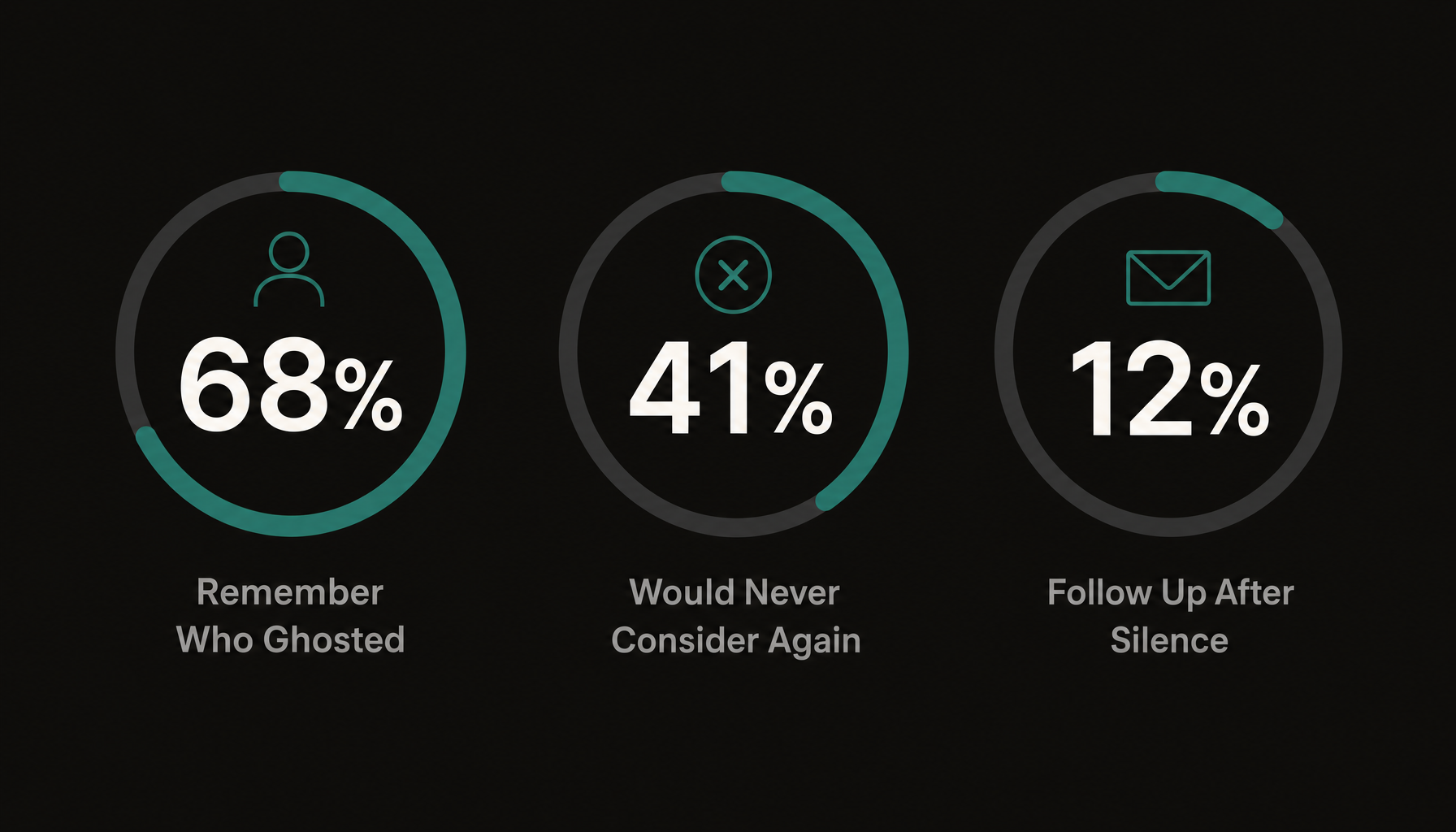
How to Keep the Door Open After Declining
Three concrete actions that maintain the relationship:
- Connect on LinkedIn within 24 hours of declining, with a personalized note referencing your conversation.
- Send a relevant article or referral within 30 days. ("Saw this and thought of your team's work on X" or "I know someone who'd be great for this role—want me to connect you?")
- Check in every 6 months with a genuine update or congratulations on a company milestone.
This transforms a "no" into an ongoing professional relationship. I've placed candidates into roles two years after they initially declined—because they stayed visible and gracious.
What to Do Before You Decline: Make Sure You're Deciding With the Right Information
Before you send that decline email, pause. Are you turning this down for the right reasons?
I've watched candidates decline offers because they assumed the role was a poor fit—only to realize later that they were more qualified than they thought, or that they misunderstood the job requirements during a rushed interview process.
Here's a quick pre-decision checklist:
- Re-read the full job description. Not the posting title—the actual responsibilities and requirements.
- Ask yourself: did I get clarity on growth trajectory? If not, it's worth one more question to the hiring manager before declining.
- Gut-check your skills alignment. Are you declining because you genuinely lack fit, or because imposter syndrome is whispering?
If you're unsure whether the role actually matches your background, test it before you walk away. Paste the job description into Resume Inspector—it's free, no credit card needed—and you'll see exactly which skills and keywords align (or are missing) between your resume and that job in under a minute. If the fit score is higher than you expected, it might be worth a conversation before you close that door permanently.
Once you've confirmed the decline is the right call, execute it quickly and cleanly using the scripts above. A polite, prompt "no" today keeps the door open for a better "yes" tomorrow.